Taurine is a vital nutrient for cats and an important one for dogs. Taurine is naturally abundant in meat-based diets that are not over processed.
What Is Taurine? Why Does It Matter?
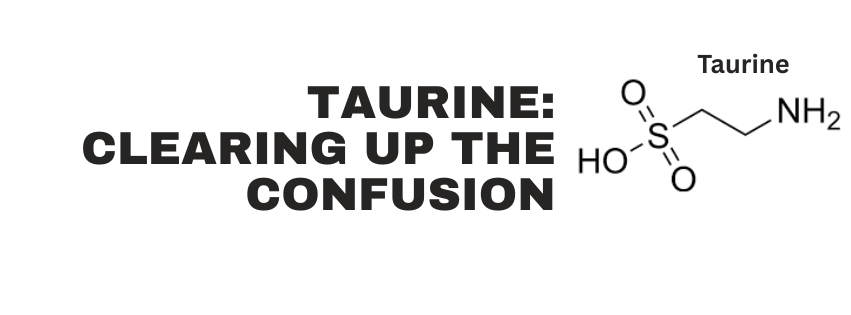
Taurine is an amino acid derived from meat-based proteins (see Understanding Nutritional Balance). Taurine is crucial for normal heart function, eye health, reproduction, and overall metabolism. Dogs can make taurine from other amino acids (methionine and cysteine), but cats cannot, thus taurine is essential in every feline diet. In dogs, taurine is not usually considered essential, but low taurine or low intake of taurine building blocks can contribute to certain cases of dilated cardiomyopathy (DCM), especially when diet quality is poor.
There are two sources of taurine:
- Naturally occurring in fresh meat
- Synthetic
In cats, synthetic taurine only needs to be added to the diet if it’s either not present or was destroyed in processing. Only over processed or plant-based cat foods need to have taurine added.
Where Does Taurine Come From?
Taurine naturally comes from animal tissues: muscle meat and organs, with mice and other small prey species being particularly rich sources of taurine. Properly formulated meat based diets that are minimally processed provide sufficient levels of natural taurine. In the 1950s, as canned cats foods became popular, the high temperature/pressure processing was found to destroy taurine. Deficient taurine led to severe diseases like heart failure and blindness in cats. Once this was discovered, manufacturers were required to add synthetic taurine to highly processed cat foods such as kibbles and canned.
How Much Taurine Do Cats Really Need?
Confusion about taurine requirements in cats stems from inconsistent published numbers in veterinary literature. One widely read article in a veterinary journal listed 250–500 mg taurine per day for an average adult cat, but that figure actually applies to cats already suffering from taurine deficiency, who need higher “therapeutic” doses until they recover. A clinical nutrition text clarifies that once a cat’s health is restored, a typical 10pound adult can maintain normal function on about 50 mg taurine per day, while larger cats or kittens and breeding females need twice that amount. (see references below)
The key takeaway for pet owners is that a minimally processed, meat rich diet easily meets or exceeds daily taurine needs for a healthy cat without adding synthetic taurine. (Taurine is only listed on the label if a synthetic source is added.)
Taurine in Real Meat and Home Prepared Diets
Meat is naturally rich in taurine, and even cooked meats retain useful amounts as long as they are not severely overcooked or heavily processed. For example, three-quarters of a cup of cooked beef provides more than 70 mg of taurine, well above the cat’s 50 mg maintenance requirement. Raw meat tends to have even higher taurine levels than cooked meat, while very high temperatures, pressure cooking, or repeated heating can significantly reduce or destroy taurine and other nutrients. Light cooking, gentle dehydrating, and typical pan cooking do not “wipe out” taurine; the bigger risk is over processing. Taurine content of meats has been measured and published. Recipes containing appropriate amounts of meat can meet taurine needs for cats without relying on a separate taurine supplement as long as the meat hasn’t been overheated.
In home prepared diets, some veterinarians warn owners to “make sure to add taurine” because of historical deficiencies in commercial foods and concern that home prepared diets might not be properly balanced. Home prepared diets should include adequate muscle and organ meat and follow a tested recipe. Don’t overcook it!
Taurine, Grain-free Diets, and DCM in Dogs
Dilated cardiomyopathy (DCM) is a disease where the heart muscle becomes weak and enlarged, which can lead to life threatening heart failure. Some dog breeds (such as Boxers, Dobermans, Newfoundlands, Golden Retrievers, and Irish Wolfhounds) are genetically predisposed to DCM. Genetic predisposition means those cases are not primarily about taurine or diet. Neither grains nor legumes contain taurine. Sadly, there are still veterinarians who have not learned of the erroneous anti-grain-free accusations and are still advising dogs owners feed high grain diets which do not naturally provide taurine.
This has led to several myths that worry pet owners: that grainfree diets cause DCM, that raw or “real food” diets are risky simply because they do not contain grains. Because taurine comes from meat, a diet that is primarily high quality animal protein (including many properly formulated raw or cooked “real food” diets) inherently provides taurine and typically does not need supplementation.
Practical guidance for pet owners
For cats, a diet that is at least 90% meat, not overcooked, and appropriately balanced will supply sufficient taurine for heart, eye, and reproductive health. Owners do not need to add a separate taurine supplement if they are using a well-designed, meat-based, and minimally processed recipe.
For dogs, fresh real meat that is not ultra-processed supplies the amino acids needed to prevent taurine related disorders. If you are concerned about your dog’s heart, your vet can send a whole blood taurine sample to a laboratory and may recommend an echocardiogram to check heart structure and function.
Across both species, the overarching message of this article is that meat rich “real food” diets provide natural taurine and can support longterm heart health when properly balanced.
References:
- Laidlaw SA, Grosvenor M, Kopple JD. The taurine content of common foodstuffs. J Parenter Enteral Nutr 1990; 14(2): 183-188.
- Tôrres CL, Backus RC, Fascetti AJ, et al. Taurine status in normal dogs fed a commercial diet associated with taurine deficiency and dilated cardiomyopathy. J Anim Physiol Anim Nutr (Berl) 2003; 87(9‐10): 359-372.
- Hand MSL, Lon D. Small Animal Clinical Nutrition. Marceline, MO 2000: 302.
 Questions Pet Owners Are Told To Ask