What Is Salmonella?
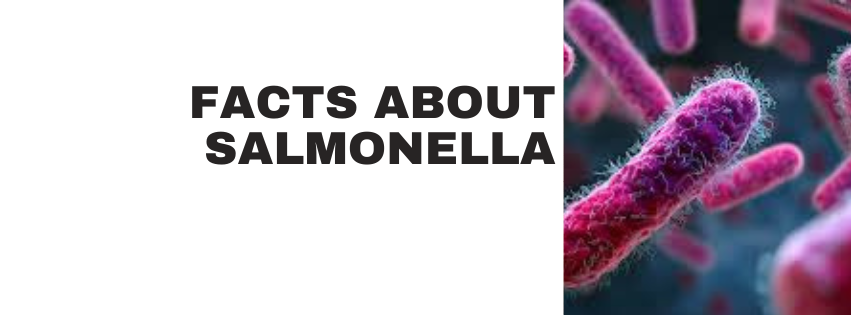
Salmonella is a large category of bacteria. There are over 2,600 serovars (types) of Salmonella. Of those, only 6 are commonly associated with illnesses in humans.
This means that over 2,594 are not known to commonly cause illness in humans. There is no evidence that any specific serovar of Salmonella routinely causes illness in pets –most healthy pets are resistant to the effects of salmonella.
Not All Strains Are Created Equal
A healthy microbiome (the bugs in your gut that help digestion) requires a balance of organisms. Healthy gut flora and the presence of benign bacterial strains actually help to prevent harmful bacterial growth. Without the presence of benign microbes the dangerous ones are unchecked in their ability to reproduce to levels that can cause illness.
The world is a dirty place. You need a good immune system which means a healthy balance of good bacteria to fight off the bad.
Human Food vs. Pet Food: A Regulatory Double Standard
- Human Food: The USDA uses QMRA (Quantitative Microbial Risk Assessment) which is a science-based evaluation to determine actual infection risk:
- How much bacteria is present.
- How people actually cook and eat.
- The overall likelihood of getting sick.
- Pet Food: Rather than using QMRA, the FDA has imposed a zero tolerance policy for any strain of Salmonella in any amount, even benign or dead strains which are harmless. The testing does not allow for the presence of any “good” bacteria that would inhibit growth of the bad strains. Rather, th FDA classifies any Salmonella in pet food as adulteration, failing to differentiate between >2,594 potentially benign strains and the 6 strains dangerous to humans. This approach unjustly stigmatizes fresh and minimally processed pet food manufacturers, painting them as risky when they often use safer, human-grade ingredients.
This double standard means that a product deemed suitable for human consumption could be considered unfit for animal consumption. For example, the same raw chicken purchased for human consumption in the grocery store could not be sold as raw pet food.
This forces manufacturers to incur higher processing cost to meet zero-tolerance criteria, which also eliminates the “good” bacteria in the food. It has also forced some manufacturers to post recall notices for food that FDA determined to be “adulterated” that, in fact, posed no real risk to the pet (the one who is supposed to eat the food).
We are encouraging the FDA and USDA to work together to implement a Quantitative Microbial Risk Assessment (QMRA) approach to pet food to determine accurate risk assessment for the six pathogenic serovars as allowed by law, rather than describing all Salmonella as dangerous.
Testing for Salmonella:
What Is the Risk of Salmonella Illness in Pets?
Not every exposure to the more dangerous strains of Salmonella is hazardous, especially for healthy animals.
The likelihood of illness depends on:
- Infectious Dose: Humans generally need 1,000–1,000,000 active cells to become sick; pets have higher thresholds.
- Host Immunity: Healthy pets often carry Salmonella without symptoms.
- Serovar Type: Different strains have different virulence, meaning some are more likely to cause illness than others.
- Food Matrix: The type of food can affect bacterial survival.
The Manufacturer’s Responsibility
It is the manufacturer’s responsibility to take steps to minimize risk of exposure to dangerous pathogens:
- Food Safety Modernization Act (FSMA): Requires safe handling and hazard prevention. (See FSMA)
- Ingredient Sourcing: Using only human-edible meats and quality controls required for human-edible foods reduces risk.
- Bacterial Controls: Multiple processing methods reduce bacterial load. Ozone wash, acid rinse, and maintain frozen are three examples. (See processing methods)
Time for a Science-Based Perspective
Salmonella deserves respect—but not fear based on incomplete or outdated science. It’s time for regulatory agencies and pet food consumers to:
- Recognize the diversity within the Salmonella genus
- Consider actual risk rather than mere presence
- Treat fresh and raw pet food with fairness based on data, not assumptions
By aligning pet food regulation with modern science, we can ensure safety without sacrificing quality or nutritional value.