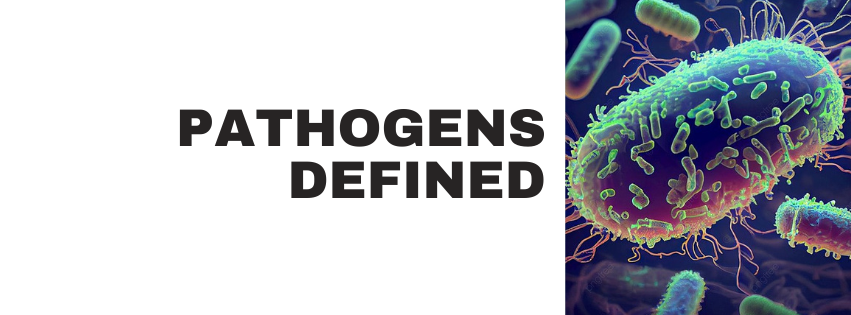
Pathogens are microorganisms that can cause disease and pose risk to pet health. They include:
- Bacteria: These are single-celled organisms that can thrive in various environments. Many bacteria are harmless and good bacteria are essential in a healthy microbiome – in the gut (see immune system article). But pathogenic bacteria at high levels can cause disease, such as E.coli and urinary tract infections.
- Viruses: These are smaller than bacteria and require a host cell to replicate. They can cause a range of illnesses including rabies and distemper.
- Fungi: Fungal infections can affect the skin, lungs, and other organs. Common fungal diseases include ringworm and Coccidioidomycosis.
- Parasites: These organisms live on or in a host, such as fleas, ticks and heartworm, which may transmit a variety of diseases to the pet.
Types of Pathogens in Pet Food
- Bacteria: Bacterial pathogens found in pet food may include Salmonella, Listeria monocytogenes, and Escherichia coli. These bacteria can cause gastrointestinal illnesses in animals and can be transmitted to humans through handling contaminated food or contact with infected pets. Antibiotics are used to treat bacterial infections, although overuse of antibiotics has led to the emergence of drug-resistant strains of bacteria, making some infections harder to treat.
- Fungi: Mold and yeast can grow in improperly stored pet food, leading to mycotoxin contamination. These may also be found in some ingredients, such as stored grains, which are then present in the food.
- Parasites: Though less common, parasites can also be present in lower quality pet food or food that has not been stored properly. Such as grain storage mites.
- Viruses: Viruses are rarely found in food.
Health Risks to Pets:
Ingesting contaminated food can cause symptoms like vomiting, diarrhea, and gastrointestinal distress. In most cases in pets, a healthy immune system quickly fights off bacterial infections. In some cases, bacterial infection can lead to more serious conditions like kidney failure or septicemia.
Health Risks to Humans:
Humans can contract illnesses from mishandling contaminated food or feces. This is why hand washing is our premier safety measure. Always.
Preventive Measures
- Proper Storage: Always follow manufacturer’s storage and handling recommendations.
- Hygiene Practices: Wash hands thoroughly after handling pet food. Clean feeding bowls and preparation surfaces (including utensils) after each use.
- Product Safety: Opt for reputable brands that follow stringent safety protocols and source high quality ingredients. Note: these may cost more since manufacturers costs are higher.
Understanding the risks associated with pathogens in pet food helps in making informed choices to ensure the health and safety of both pets and their owners.
 Safe Handling At Home