Every food, whether for you or your pet, must be handled safely to enjoy with minimal risk of illness or injury. By incorporating the practices below into your routine, you safeguard the health of your household, including your beloved pets. Remember, a little vigilance goes a long way in maintaining a safe and healthy home environment.
Whether you realize it or not, you are already practicing a variety of safe handling protocols in your own kitchen. Some of these practices are so common that we often overlook them as bona fide safe handling steps. For instance, you probably wash your hands after handling raw chicken and before chopping produce for a salad. And you do not prepare fresh salad on the same cutting board you just used for raw chicken. The USDA and FDA publish guidelines for the safe handling of foods and are based on variety of factors:
- Intended consumer: Is it going on your dinner table or is going into the pet’s bowl? Is the intended consumer a healthy adult pet, weaning puppies or kittens, or does the pet have underlying health issues, etc?
- Vulnerable household members: Are there members of your household that are more susceptible to potential pathogens and require extra safety measures, such as babies, the elderly, or immune compromised?
- Inherent food risks: Raw poultry inherently has higher risk than other foods. Knowing risks of individual ingredients helps you know how to best handle the foods in your house.
Safe Handling Practices Identified
Safe handling practices for both human and pet foods minimize risk to the family. While manufacturers’ guidelines may vary from one product to another, the following apply to all:
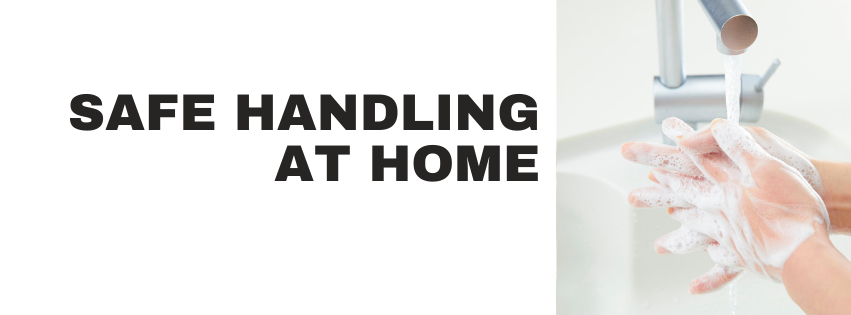
- Hand washing: Always wash your hands after handling any food, including pet food. Any pet food, including kibble, can contain bacteria that can be washed off your hands with soap and water. Kibble has been recalled for contaminants or pathogens far more often than fresh or raw pet food, which is why hand washing is important after handling any pet food.
- Avoid cross-contact: Prevent pet food from coming into contact with food that will be consumed by other members of the family.
- Proper storage: Keep frozen food frozen until ready to thaw and serve. Follow the manufacturer’s instructions on how to safely thaw, length of time it may remain thawed before discarding, etc. For shelf stable foods, store opened original packaging in airtight containers, and follow other manufacturer’s recommendations.
- Clean bowls: Food should be served in a clean bowl. If there is any food residue in the bowl after the pet has finished eating, clean it immediately. Leaving food in a bowl all day increases the risk of contamination.
- Child Safety: Unless the food is labeled “human grade” (manufactured to human food standards) keep the food out of reach of small children who may think it’s fun to eat like the pet. Instead, offer both a treat that you know meets human food safety standards. Raw green beans or sugar snap peas are great for both two and four legged kids – might even get them both to eat more veggies!
Final Thought
Practicing safe handling for all food, whether for humans or pets, helps to minimize risk of foodborne illness. While there is heightened concern about raw pet foods, it’s worth noting that raw pet food may actually contain fewer pathogens than the raw meats in grocery stores. This is because the USDA permits some level of bacteria in meats sold for human consumption while the FDA maintains a zero tolerance policy for pet foods. Bottom line, wash hands before and after handling food, store the pet food away from your human food, and serve in a clean bowl. This is a good practice for human food too!
 The Impact of FSMA on Pet Food